

Finding Affordable Accommodation in Rome
The first step to keeping Rome affordable starts with choosing the right place to sleep. Hostels in neighborhoods like San Lorenzo and Trastevere offer beds for $25-35 per night, complete with free WiFi and communal kitchens that help slash food costs. Budget hotels near Termini Station provide private rooms starting around $40-50 nightly during off-peak seasons.
Booking directly through hostel websites often reveals discounts that major booking platforms don't advertise. Many accommodations throw in free breakfast, which immediately saves $8-10 daily. Travelers who stay in areas slightly away from the historic center discover authentic Roman life while cutting lodging costs by 30-40%.
Eating Like a Local Without Breaking the Bank
Roman cuisine delivers unforgettable flavors at surprisingly reasonable prices when eating where locals eat. The key lies in avoiding restaurants within 200 meters of major tourist sites, where prices mysteriously double for the same carbonara.
Neighborhood trattorias serve generous portions of cacio e pepe or amatriciana for $10-12. Pizza al taglio shops sell Roman-style rectangular slices by weight, with two substantial pieces costing around $5-7. Supermarkets like Conad and Carrefour Express stock fresh bread, cheese, prosciutto, and fruit for DIY picnics in Villa Borghese or along the Tiber River.
The aperitivo tradition offers incredible value between 6-9 PM. For the price of one drink ($8-10), many bars provide access to buffets featuring pasta, pizza, vegetables, and appetizers. This Roman happy hour easily substitutes for dinner while providing an authentic cultural experience.
A morning cappuccino and cornetto at a local bar costs $3-4 when consumed standing at the counter, Italian style. Sitting at outdoor tables can triple these prices, so embracing the stand-up coffee culture saves money and provides a more genuine Roman experience.
Free and Cheap Attractions That Rival the Famous Sites
Rome's most magical moments often cost nothing at all. The Pantheon, arguably the world's best-preserved Roman building, charges zero admission. Tossing a coin into the Trevi Fountain costs only that coin. Wandering through atmospheric neighborhoods like Monti and Trastevere reveals street art, charming piazzas, and medieval architecture completely free.
The Spanish Steps, Piazza Navona, and Campo de' Fiori buzz with life without admission fees. Every Sunday, state museums, including the Colosseum and Roman Forum, offer free entry on the first Sunday of each month, though arriving early helps beat the crowds.
Churches throughout Rome house masterpieces by Caravaggio, Bernini, and Michelangelo without charging a cent. Santa Maria del Popolo contains two stunning Caravaggio paintings. San Pietro in Vincoli displays Michelangelo's Moses sculpture. These treasures rival anything behind museum paywalls.
Villa Borghese provides acres of gardens, a lake with rowboat rentals for $5, and peaceful spots perfect for afternoon relaxation. The Aventine Hill's famous keyhole offers a perfectly framed view of St. Peter's Basilica, costing nothing but the walk uphill.
Strategic Sightseeing at Major Attractions
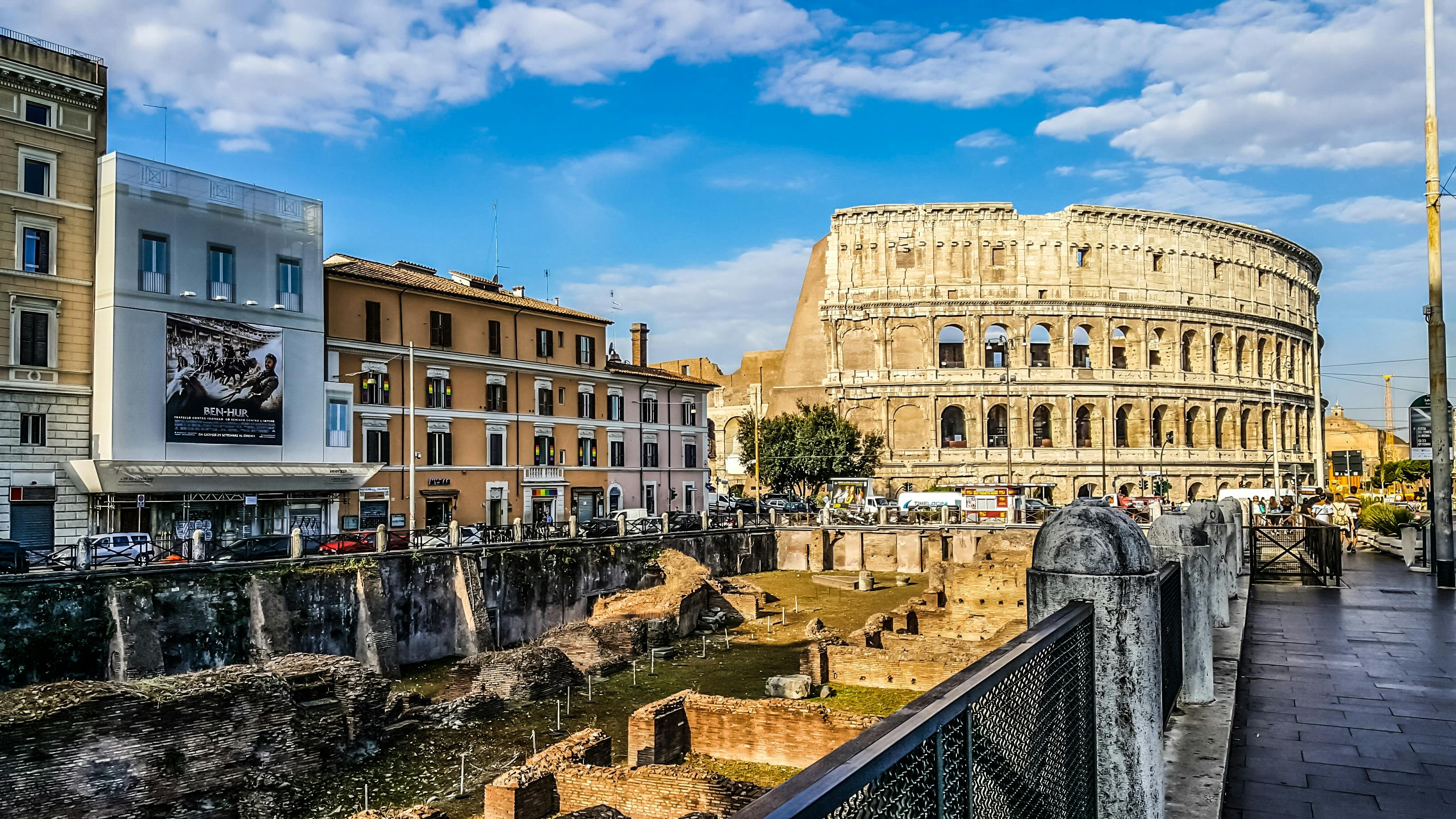
The Colosseum, Roman Forum, and Palatine Hill share a combined ticket costing around $18. Purchasing online avoids long ticket lines and sometimes offers small discounts. Audio guides add unnecessary expense when free apps like Rick Steves Audio Europe provide expert commentary.
Booking skip-the-line options and guided experiences through trusted tour operators can actually save money by maximizing time and preventing rookie mistakes that waste entire mornings standing in wrong queues.
The Vatican Museums implement free admission on the last Sunday of each month, though crowds reach overwhelming levels. Visiting on regular weekdays around 2 PM offers shorter lines at full price but better experiences. St. Peter's Basilica itself remains free every day, with the dome climb costing just $8-10 for unforgettable views.
Many travelers overlook the Baths of Caracalla, which cost only $8 and provide massive ancient ruins without the Colosseum crowds. The Appian Way stretches for miles as a free open-air museum of tombs, ruins, and countryside perfect for walking or cycling.
Getting Around Rome on a Budget
Rome's public transportation system offers 24-hour passes for around $7, covering unlimited metro, bus, and tram rides. The 48-hour and 72-hour options provide even better value for longer stays. Walking remains the best way to discover hidden corners, with most major sites concentrated within a manageable area.
Renting a bike through the city's bike-sharing system costs roughly $5-8 daily. The Appian Way and Villa Borghese offer ideal cycling routes away from chaotic traffic. Many hotels and hostels provide free bikes to guests, eliminating transportation costs entirely for adventurous travelers.
Taxis drain budgets quickly, but ride-sharing services offer transparent pricing. The Leonardo Express train connecting the airport to Termini Station costs about $15, while local buses make the same trip for $7 with slightly longer travel times.
Seasonal Strategies for Maximum Savings
Visiting Rome between November and March, excluding Christmas and New Year's, reveals the city without summer's suffocating crowds and prices. Hotels drop rates by 30-50%. Restaurants offer better service when not overwhelmed. January and February sometimes feel chilly, but Rome rarely experiences harsh winter weather.
Shoulder seasons in April-May and September-October provide pleasant weather with moderate prices. The scorching August heat drives many Romans to the coast, leaving tourists to sweat through empty streets while some restaurants and shops close for vacation.
Booking flights on Tuesdays and Wednesdays typically reveals cheaper fares. Traveling midweek also means lower accommodation costs compared to weekend rates. Setting price alerts on flight comparison sites helps catch deals that can save $100-200 on international tickets.
Money-Saving Habits That Add Up
Refilling water bottles at Rome's nasoni fountains saves $3-5 daily on bottled water. These iconic cast-iron fountains flow with safe, cold drinking water throughout the city. Romans have trusted this water for centuries, and travelers should too.
Shopping at neighborhood markets like Testaccio Market or Mercato Trionfale provides fresh produce, cheese, and prepared foods at local prices. Grabbing lunch supplies here cuts meal costs in half compared to restaurants.
Many paid attractions offer reduced admission during the last hour before closing. The experience feels rushed but works perfectly for seeing highlights on a tight budget. Student discounts apply widely for anyone under 26 with proper ID, regardless of enrollment status in some cases.
Happy hour drinks ordered strategically provide dinner through buffet spreads. Choosing one slightly nicer cocktail or glass of wine justifies unlimited trips to the appetizer table without appearing cheap.
Making Every Euro Count
Rome rewards travelers who embrace the local pace and customs. Lingering over a $1.50 espresso at a neighborhood bar costs less than rushing through a $6 Starbucks latte while providing authentic cultural immersion.
The city's beauty lies not just in famous monuments but in everyday moments: watching sunset paint Trastevere's ochre buildings golden, hearing street musicians near Piazza Navona, and catching the scent of fresh bread from corner bakeries. These experiences cost nothing but deliver memories worth far more than any ticket price.
Budget travel through Rome doesn't mean missing out or suffering through a lesser experience. It means traveling smarter, connecting more authentically with local life, and discovering that the Eternal City's greatest treasures have always been accessible to those willing to walk its ancient streets with curiosity and respect.
With accommodation around $30-35, food at $20-25, a transport pass at $7, and the remaining budget for one paid attraction, travelers easily stay under $75 daily while experiencing everything that makes Rome unforgettable. The city has welcomed pilgrims, wanderers, and dreamers for thousands of years. It welcomes budget travelers just the same.

Post a Comment
0Comments