

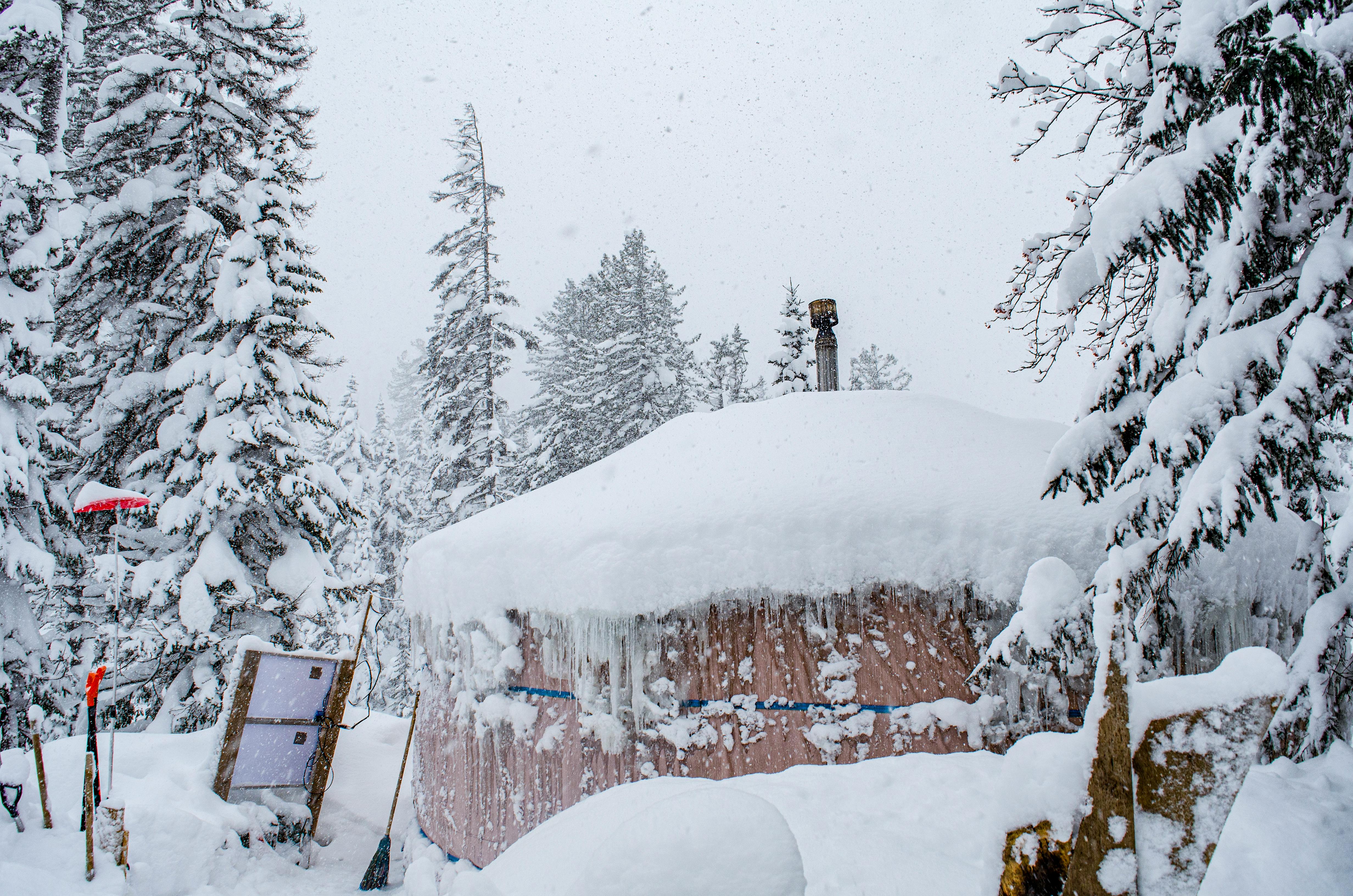
When 12 states faced emergency declarations in January 2026 during one of the most severe winter weather events in recent history, millions found themselves scrambling for essentials. The truth? Preparation saves lives—and a lot of stress. Whether you're a frequent traveler caught off-guard by unexpected weather or a homeowner facing your first major winter storm, this comprehensive checklist covers everything you need to know about food, water, backup power, and the critical items people are desperately searching for right now.
What Makes Winter Storms So Dangerous in 2026?
Recent storms have brought devastating ice accumulation, power outages lasting days, and temperatures plummeting well below freezing. Freezing rain causes power outages and disrupts communications while increasing fall risks, making preparation more critical than ever. Unlike typical snowstorms, ice storms create conditions where power can remain out for extended periods, leaving families without heat, refrigeration, or communication.
The 2026 winter storm affected areas from Texas to Massachusetts, with over 140 million people in the storm's path. What's particularly concerning is that many southern states received ice accumulation without the infrastructure or experience to handle it effectively.
The Essential Food Stockpile: What Actually Works During Power Outages
Budget-Friendly Food Options ($50-75 for 2 weeks)
Your food strategy should focus on non-perishable items that require zero cooking. Extra food like dried fruit, nuts, and granola bars requiring no cooking or refrigeration forms the foundation of any emergency food supply.
Recommended Budget Items:
- Canned proteins (tuna, chicken, beans): $15-20
- Peanut butter and crackers: $8-12
- Dried fruits and nuts: $10-15
- Granola bars and protein bars: $8-10
- Canned vegetables and soups: $10-15
- Instant oatmeal packets: $5-8
Mid-Range Food Strategy ($100-150 for 2 weeks)
For those wanting more variety and comfort during extended outages, consider adding meal replacement drinks, freeze-dried camping meals, and specialty dietary items. This tier includes everything from the budget category plus ready-to-eat meals, jerky, instant coffee, and shelf-stable milk.
Premium Emergency Food Supply ($200-300 for 2 weeks)
High-quality freeze-dried meals designed for emergencies often last 25+ years and provide complete nutrition. Companies like Mountain House and Augason Farms offer bucket kits specifically designed for disaster scenarios. While pricier upfront, these provide peace of mind and require only hot water to prepare (useful if you have a camping stove with your emergency supplies).
Critical Food Storage Tips:
- FEMA recommends about two weeks' worth of nonperishable foods
- Avoid stocking large amounts of perishables before storms
- Remember comfort foods—they boost morale during stressful situations
- Don't forget manual can openers; electric ones won't help without power
Food Category |
Budget Option | Mid-Range | Premium |
|---|---|---|---|
| Proteins | Canned tuna/beans | Beef jerky, salmon packets | Freeze-dried meats |
| Grains | Crackers, instant oatmeal | Granola, trail mix | Freeze-dried meals |
| Fruits/Veg | Canned vegetables | Dried fruits, applesauce cups | Freeze-dried produce |
| Beverages | Tap water, instant coffee | Bottled water, tea bags | Electrolyte drinks, premium coffee |
| Daily Cost | $3.50-5.00/person | $7.00-10.00/person | $14.00-20.00/person |
Water: The Most Critical Resource
Set aside at least one gallon of drinking water per person per day. For a family of four preparing for a two-week outage, that's 56 gallons—far more than most people realize.
Water Storage Solutions
Budget Approach ($15-30): Purchase gallon jugs from your grocery store. They're cheap, stackable, and readily available. A family of four needs approximately 14 gallon jugs per week.
Mid-Range Solution ($40-100): Invest in 5-gallon water containers designed for emergencies. These emergency water storage containers stack efficiently and include spigots for easy pouring. You'll need about 11-12 containers for a two-week supply for four people.
Premium System ($150-300): Install a water filtration system with backup capacity or purchase a gravity-fed water filter. Brands like LifeStraw and Berkey can filter thousands of gallons, making them worthwhile investments for areas with frequent weather emergencies.
Don't Forget:
- Keep unscented bleach for water purification (8 drops per gallon)
- Baby wipes for hygiene when water's scarce
- Paper plates and disposable utensils to conserve water
Power Solutions: From Flashlights to Whole-Home Generators
This is where people are spending the most time researching right now, and for good reason—power failures are the most disruptive aspect of winter storms.
Lighting Essentials (All Budgets)
Use battery lanterns instead of candles when possible to reduce fire hazards. Every household member should have their own flashlight.
Recommended Setup:
- LED headlamps for hands-free lighting: $15-30 each
- Battery-powered lanterns for room lighting: $20-40
- Spare batteries (AAA, AA, D): $15-25
- Solar-powered or hand-crank emergency radio: $20-50
Portable Power Banks and Solar Chargers ($30-200)
Before considering generators, invest in portable power banks. A 20,000mAh power bank can charge a smartphone 4-6 times and costs just $30-50. Solar panel chargers provide renewable charging when the sun returns but aren't reliable during storms.
Generator Options: What You Actually Need
Portable generators are much cheaper than permanently installed whole-house generators, which can cost more than $10,000 to buy and install.
Recreational Generators (2,000-2,500 watts): $400-600 Perfect for keeping a refrigerator running, charging devices, and powering a few lights. These weigh 50-60 pounds and are fuel-efficient. Ideal for travelers or those in apartments with balconies (never use indoors).
Mid-Size Portable Generators (3,000-5,000 watts): $500-1,000 This is the sweet spot for most homeowners. These portable home generators can power your refrigerator, freezer, a space heater, lights, and keep your phones charged. They weigh 80-180 pounds but pack serious power.
Popular models include:
- Champion 4,000-watt dual-fuel: $550-650
- Westinghouse WGen9500DF: $800-950
- DuroStar 13,000-watt tri-fuel: Currently discounted at $999
Heavy-Duty Portable Generators (7,000-9,000+ watts): $850-2,300 These powerhouses can run most essential appliances simultaneously. They usually weigh 200 pounds or more and typically require an electrician to install a transfer switch for safe home connection.
Whole-Home Standby Generators: $3,000-10,000+ These permanently installed units run on natural gas or propane and activate automatically during outages. While expensive, they provide ultimate peace of mind for those in areas with frequent extended outages.
Generator Safety: Non-Negotiable Rules
Never run a generator inside your house, garage, basement, or even a partially enclosed area. Carbon monoxide poisoning kills, and it's odorless.
Essential Safety Practices:
- Operate generators outdoors only, 20+ feet from your home
- Point exhaust away from windows and doors
- Never refuel while running or hot
- Use heavy-duty outdoor-rated extension cords
- Keep generator dry—use a canopy, not an enclosed space
What People Are Frantically Googling Right Now
Based on current search trends during the 2026 winter storms, here are the most-searched topics:
"How to prevent pipes from freezing"
Let faucets drip slightly, open cabinet doors under sinks, and maintain indoor temperature above 55°F even when away. Insulate pipes in unheated areas with foam sleeves.
"How long will food last in freezer without power"
A full freezer will keep its temperature for about 48 hours, while a refrigerator maintains cold for roughly four hours. Keep doors closed to maximize this time.
"Can I use my gas stove for heat"
Never use a gas range or oven for heating as it causes carbon monoxide buildup that can result in serious harm or death.
"Where to find warming centers near me"
Text SHELTER and your ZIP code to 43362, or check your local government's emergency management website for warming center locations.
"Emergency battery-powered heaters"
Space heaters require too much power for most portable generators. Instead, layer clothing, use sleeping bags rated for cold weather, and create a "warm room" strategy where everyone gathers.
Emergency Heating Without Power
Budget Solutions ($30-100)
- Quality sleeping bags rated for 0°F: $50-80 each
- Thermal emergency blankets: $10-15 for a pack
- Hand warmers and foot warmers: $15-25
- Extra warm layers, wool socks, hats
Mid-Range Options ($100-300)
- Propane heaters designed for indoor use (Mr. Heater Buddy): $80-130
- High-quality winter camping gear
- Insulated window covers
- Door draft stoppers and weatherstripping
Premium Solutions ($300-800)
If you have a generator, a quality space heater can maintain warmth in one room without heating your entire home. This saves significant generator fuel.
The Complete Winter Storm Checklist
48 Hours Before Storm Hits
- [ ] Fill all vehicles with gas
- [ ] Charge all devices, power banks, and backup batteries
- [ ] Withdraw cash from ATMs (card readers won't work without power)
- [ ] Fill bathtubs with water for toilet flushing
- [ ] Pick up prescriptions
- [ ] Check generator fuel levels
- [ ] Test smoke and CO detectors
24 Hours Before
- [ ] Bring outdoor furniture and decorations inside
- [ ] Protect outdoor faucets with covers
- [ ] Stock fireplace with dry wood if applicable
- [ ] Prepare ready-to-eat meals
- [ ] Gather board games, books, activities
- [ ] Designate a "warm room" with sleeping bags
During the Storm
- [ ] Stay indoors
- [ ] Avoid unnecessary electrical device use
- [ ] Monitor weather updates via battery radio
- [ ] Check on neighbors (especially elderly)
- [ ] Document any property damage with photos
- [ ] Keep refrigerator/freezer doors closed
After the Storm
- [ ] Report outages to utility companies
- [ ] Check for frozen pipes
- [ ] Inspect food for spoilage
- [ ] Safely clear walkways
- [ ] Restock depleted supplies
Budget Breakdown: Complete Storm Preparation Costs
| Necessity Level | Essential Only | Standard Preparation | Premium/Long-term |
|---|---|---|---|
| Food | $50-75 | $100-150 | $200-300 |
| Water | $15-30 | $40-100 | $150-300 |
| Lighting | $50-75 | $80-120 | $150-250 |
| Power | $100-200 | $500-1,000 | $3,000-10,000 |
| Heating | $30-100 | $100-300 | $300-800 |
| First Aid/Misc | $30-50 | $75-125 | $150-300 |
| Total | $275-530 | $895-1,795 | $3,950-11,950 |
Make Your Investment Work Year-Round
The beauty of proper storm preparation is that most items serve multiple purposes:
- Generators: Perfect for camping, tailgating, RV trips, and backyard parties
- Emergency food: Ideal for hiking, road trips, and bug-out bags
- Water storage: Essential for earthquake zones, hurricanes, and any disaster
- Battery banks: Daily use for travel, commutes, and outdoor activities
- Camping gear: Doubles as emergency equipment and weekend adventure supplies
Your Action Plan Starts Now
Don't wait for weather warnings to start preparing. Officials urged people to get everything needed in advance and have a plan for power loss. Begin with the essentials—water, food, lighting—then gradually build up to power solutions as budget allows.
Start with this simple first step: this week, purchase one case of water and $25 worth of non-perishable food. Next week, add batteries and a flashlight for each family member. The week after, research generators suited to your home size and power needs.
Winter storms are becoming more frequent and severe. The question isn't if you'll face one—it's when. The difference between those who thrive during emergencies and those who merely survive comes down to one thing: preparation.
What's in your winter storm survival kit? Have you tested your generator lately? The time to prepare isn't when the weather forecast shows a winter storm warning—it's right now, while stores are stocked and you can make informed decisions without panic-buying pressure.
Related Resources:
- Understanding Winter Storm Watches, Warnings, and Advisories
- Generator Sizing Guide: Calculate Your Home's Power Needs
- Creating a Family Emergency Communication Plan
- Vehicle Winter Emergency Kit Checklist
- Protecting Pipes and Home Infrastructure from Freezing
Pro Tip: Download offline maps of your area and save important phone numbers in your phone's contacts. When cell towers lose power, you'll still have access to local information, and calling is often more reliable than data services during emergencies.

Post a Comment
0Comments