

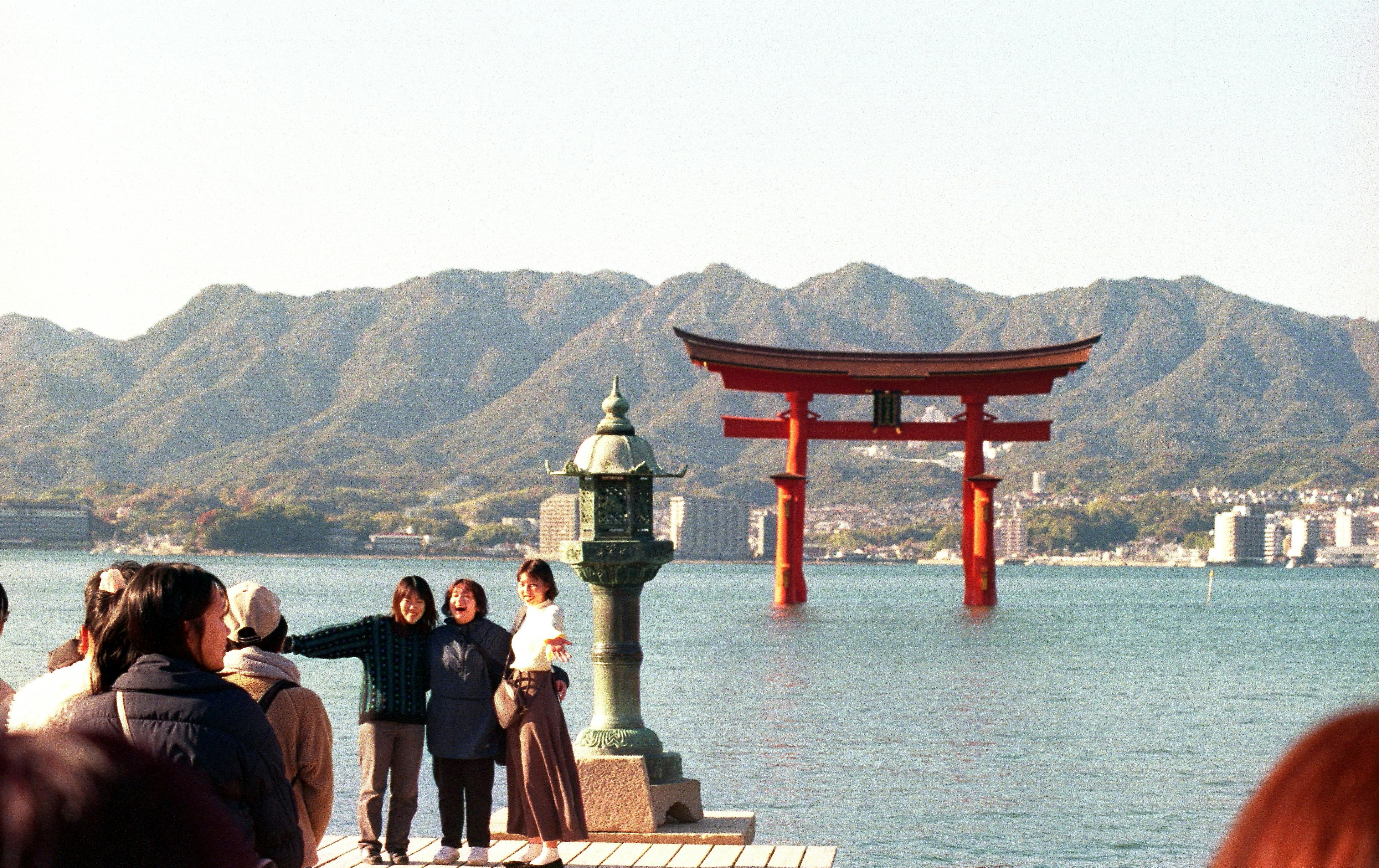
Japan has a reputation for being expensive. Neon cities, flawless trains, perfect food—surely it must drain your wallet, right?
Honestly, that’s only half true.
A 7-day trip to Japan can be surprisingly affordable or comfortably indulgent, depending on how you plan it. I’ve seen travelers spend less than a week in Paris… and others burn through a month’s rent in Tokyo without realizing how fast the yen adds up.
This guide breaks it all down—flights, accommodation, food, transport, and attractions—with realistic 2026 prices, not fantasy backpacker math. You’ll see exactly what a shoestring, mid-range, or comfortable budget looks like, plus the common mistakes that quietly make Japan more expensive than it needs to be.
If you’re planning a week in Japan and wondering, “Can I afford this? ”—you’re in the right place.
So… How Much Does a 7-Day Trip to Japan Cost in 2026?
Before diving into details, here’s the big picture.
Total 7-Day Japan Trip Cost (Per Person)
| Budget Style | Estimated Total Cost |
|---|---|
| Shoestring | USD 1,200–1,500 |
| Mid-Range | USD 1,800–2,400 |
| Comfortable | USD 2,800–3,600+ |
These estimates assume:
- One international round-trip flight
- 6 nights' accommodation
- Daily meals
- Local transport
- Popular attractions
- Basic shopping & extras
Your final number depends heavily on when you go, where you stay, and how you move around.
Let’s break it down piece by piece.
Flights to Japan: The Biggest Variable
Flights are usually the largest chunk of a 7-day trip to Japan.
Average Round-Trip Flight Costs (2026)
- From Southeast Asia: USD 350–700
- From Australia: USD 600–900
- From Europe: USD 800–1,200
- From North America: USD 900–1,400
How to Keep Flight Costs Low
- Fly late January–March or late November
- Avoid cherry blossom peak unless it’s your dream
- Be flexible with Osaka (KIX) vs Tokyo (NRT/HND)
- Use flight alerts, not last-minute bookings
💡 Pro tip: Landing in Osaka and flying out of Tokyo often saves money and time.
Accommodation Costs in Japan (6 Nights)
Japan’s accommodation range is wild—in a good way. Capsule hotels, business hotels, ryokans, apartments… all clean, all efficient.
Average Nightly Prices
| Budget Level | Cost per Night | 6-Night Total |
|---|---|---|
| Shoestring | USD 25–50 | USD 150–300 |
| Mid-Range | USD 80–130 | USD 480–780 |
| Comfortable | USD 180–300 | USD 1,080–1,800 |
What You’re Really Paying For
- Shoestring: Hostels, capsules, budget business hotels
- Mid-Range: 3-star hotels, modern apartments, good locations
- Comfortable: Central hotels, spacious rooms, ryokan experiences
Japan hotels are small—but location matters more than room size.
Food Costs: Surprisingly Affordable (If You Eat Like Locals)
This is where Japan shines. You can eat incredibly well without spending much.
Daily Food Budget Breakdown
| Budget | Daily Cost | 7-Day Total |
|---|---|---|
| Shoestring | USD 20–30 | USD 140–210 |
| Mid-Range | USD 35–60 | USD 245–420 |
| Comfortable | USD 80–120 | USD 560–840 |
Realistic Food Prices
- Convenience store meals: USD 4–7
- Ramen or gyudon: USD 6–10
- Sushi lunch set: USD 10–18
- Izakaya dinner: USD 20–35
- Premium wagyu meal: USD 50–100+
Eating well in Japan doesn’t require splurging—it just requires knowing where locals eat.
Transport Costs: Trains Done Right
Japan’s transport is efficient, punctual, and… not cheap if you wing it.
Typical Transport Costs for 7 Days
| Travel Style | Estimated Cost |
|---|---|
| City-only travel | USD 60–120 |
| Tokyo + Kyoto/Osaka | USD 120–180 |
| Multi-city loop | USD 180–250 |
Smart Transport Tips
- Use IC cards (Suica, Pasmo, ICOCA)
- Skip the JR Pass unless your itinerary justifies it
- Night buses can save hotel costs
- Local passes often beat national ones
Transport planning alone can save you USD 100+ on a weeklong trip.
Attractions & Experiences
Japan isn’t expensive because of attractions—it’s expensive when you overbook them.
Average Attraction Costs
| Type | Cost |
|---|---|
| Temples & shrines | Free – USD 5 |
| Museums | USD 5–15 |
| Observation decks | USD 10–25 |
| Theme parks | USD 55–75 |
| Day tours | USD 40–120 |
7-Day Attraction Budget
- Shoestring: USD 30–60
- Mid-Range: USD 80–150
- Comfortable: USD 200–400
Mix free cultural sights with one or two paid experiences—it’s the sweet spot.
Total Cost Breakdown by Budget Style
Shoestring Budget (USD 1,200–1,500)
- Flight: 400
- Accommodation: 200
- Food: 180
- Transport: 100
- Attractions: 50
- Total: ~USD 1,430
Mid-Range Budget (USD 1,800–2,400)
- Flight: 900
- Accommodation: 650
- Food: 330
- Transport: 150
- Attractions: 120
- Total: ~USD 2,150
Comfortable Budget (USD 2,800 – 3,600+)
- Flight: 1,200
- Accommodation: 1,400
- Food: 700
- Transport: 220
- Attractions: 300
- Total: ~USD 3,820
Mistakes That Make Japan More Expensive Than It Should Be
These small errors quietly inflate your budget.
1. Buying the JR Pass Without Doing the Math
It’s not always worth it anymore. Many travelers overspend here.
2. Staying Too Far From Train Stations
Cheap hotels cost more in transport and time.
3. Eating Only “Instagram” Restaurants
Tourist areas charge double for the same food.
4. Visiting Only During Peak Seasons
Cherry blossom season is magical—but costly.
5. Over-planning Paid Tours
Japan rewards wandering more than rigid schedules.
When Is Japan Cheapest to Visit?
If budget matters, timing matters more.
Best Budget Months
- Late January–early March
- Mid-June (except rainy spikes)
- Late November–early December
Most Expensive Periods
- Late March–early April
- Golden Week (late April–early May)
- Mid-October foliage peaks
How to Plan a 7-Day Japan Trip Without Overspending
A smart Japan budget isn’t about cutting joy—it’s about cutting waste.
Do this instead:
- Book flights early
- Choose location over luxury
- Eat where locals eat
- Plan transport before arrival
- Pick 1–2 “splurge” experiences only
Japan rewards thoughtful travelers.
Final Thoughts: Is Japan Worth the Cost?
Absolutely—especially when you know what you’re spending before you go.
A 7-day trip to Japan can be
- Cheaper than Western Europe
- Safer than most major cities
- More memorable than trips twice the price
The key isn’t having a big budget—it’s having a clear one.
👉 If you’re planning your trip next, consider reading:
- Japan Travel on a Budget: What Locals Do Differently
- Best Cities for First-Time Japan Travelers
- Hidden Costs Tourists Miss in Japan
Planning well turns Japan from “expensive” into “worth every dollar.”

Post a Comment
0Comments