

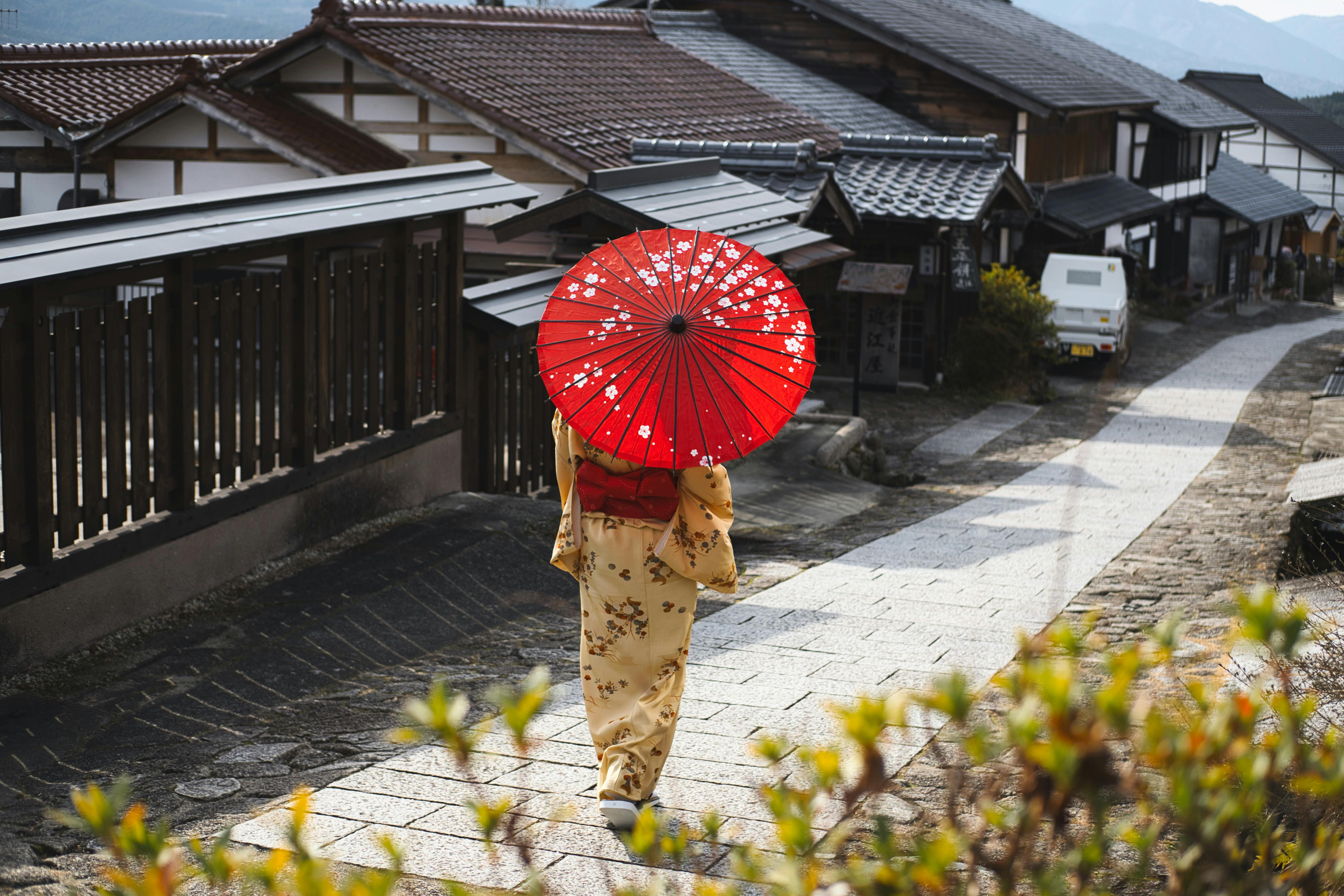
You've been dreaming about Japan for years. The neon streets of Tokyo, ancient temples in Kyoto, and cherry blossoms in spring. But there's one nagging question keeping you from booking that ticket: Is Japan really as expensive as everyone says?
Here's the truth: Japan has a reputation for being wallet-crushingly expensive, but the reality in 2025 is far more nuanced. As someone who has tracked travel costs across dozens of countries, I'm here to give you the honest breakdown of what Japan actually costs compared to other popular destinations—and why you might be pleasantly surprised.
The Big Misconception About Japan's Cost
For decades, Japan carried the stigma of being one of the world's most expensive travel destinations. And while that was largely true in the 1980s and 90s, the landscape has shifted dramatically.
Today, Japan is comparable in cost to Western Europe and major North American cities—not the budget-draining nightmare many first-timers fear. In fact, it's often more affordable than destinations like Australia.
The weak yen as of early 2025 has made Japan even more accessible. Travelers from the US, Europe, the UK, and Australia are experiencing favorable exchange rates that stretch their budgets further than they have in years.
Japan vs. Europe: The Real Cost Comparison
Let's tackle the elephant in the room: how does Japan stack up against a European vacation?
Accommodation Face-Off
Japan (per night):
- Budget hostels/capsule hotels: $20-50
- Mid-range business hotels: $40-150
- Luxury hotels: $200+
- Traditional ryokan with meals: $170-200
Western Europe (per night):
- Budget hostels: $25-60
- Mid-range hotels: $80-180
- Luxury hotels: $250+
The verdict? Japan's accommodation often proves less expensive than many European cities, especially when you factor in the exceptional cleanliness and service quality Japanese hotels deliver.
Daily Food Budget
Japan:
- Budget meals (ramen, convenience stores): $6-12
- Mid-range restaurants: $15-30
- High-end dining: $50-150+
Europe:
- Budget meals: $10-18
- Mid-range restaurants: $20-40
- High-end dining: $60-200+
Here's where Japan really shines. Food in Japan is notably cheaper than many European countries and certainly less expensive than in Australia and New Zealand. A quality bowl of ramen for $8, conveyor belt sushi for $1-3 per plate, and convenience store meals that are actually delicious for $3-8—Europe simply can't match these prices.
Transportation Costs
Japan:
- Metro/subway rides: $1-3
- 7-day JR Pass: $240-310
- Domestic flights: $30-100
Europe:
- Metro tickets: $2-4
- Train passes vary wildly by country
- Budget flights: $20-150
Transportation in Japan is efficient and reasonably priced. While the Japan Rail Pass saw a significant price increase in 2023, individual train tickets often work out cheaper for most itineraries.
Japan vs. South Korea: The Asian Showdown
South Korea has emerged as a popular alternative to Japan, especially with the K-pop and K-drama boom. But how do costs really compare?
The Daily Budget Battle
Japan (per day):
- Budget traveler: $60-85
- Mid-range traveler: $110-160
- Luxury traveler: $250+
South Korea (per day):
- Budget traveler: $95
- Mid-range traveler: $117-150
- Luxury traveler: $286+
Surprisingly, South Korea's average daily cost of $117 per person puts it roughly on par with Japan's mid-range travel costs. Both countries offer excellent value, but Japan edges ahead slightly for budget travelers.
Where Korea Wins
- Accommodation: Budget hotels in Korea average $35 per night, slightly cheaper than Japan
- Street food: Both are affordable, but Korea's portions tend to be larger
- Beauty products and skincare: Korea is unbeatable here
Where Japan Wins
- Convenience store food quality: Japan's konbini culture is legendary
- Free attractions: Many shrines and temples in Japan have no entrance fees
- Overall food variety: Japan's culinary landscape is more diverse
Japan vs. Thailand: Budget vs. Value
Thailand remains Southeast Asia's backpacker paradise, but how much are you really saving compared to Japan?
The Budget Breakdown
Thailand (per day):
- Budget traveler: $30-50
- Mid-range traveler: $70-110
- Luxury traveler: $250+
Japan (per day):
- Budget traveler: $60-85
- Mid-range traveler: $110-160
- Luxury traveler: $250+
Thailand costs approximately $30-50 daily for budget travelers, making it roughly half the price of Japan for shoestring budgets.
The Value Equation
Here's what many first-timers miss: while Thailand costs less than Japan, the difference isn't as dramatic as you might think—and Japan often delivers better value for money.
Consider this: for an extra $30-40 per day in Japan, you get:
- World-class infrastructure and cleanliness
- Exceptional safety (you can walk anywhere at night)
- Reliable transportation that runs like clockwork
- No language barrier headaches (signs are often in English)
- Consistent quality across all price points
Your Realistic Japan Budget: Three Scenarios
The Budget Backpacker ($60-85/day)
Accommodation: Hostel dorms or capsule hotels ($20-40) Food: Convenience stores, ramen shops, supermarket bentos ($20-30) Transportation: JR Pass or individual tickets ($10-20) Activities: Free temples and parks, occasional paid attraction ($10-15)
Weekly total: $420-595 Two-week trip: $840-1,190 (excluding flights)
The Comfortable Explorer ($110-160/day)
Accommodation: Business hotels or budget ryokan ($50-100) Food: Mix of casual restaurants and local eateries ($30-50) Transportation: JR Pass and local transport ($20-35) Activities: Popular attractions, occasional tours ($25-40)
Weekly total: $770-1,120 Two-week trip: $1,540-2,240 (excluding flights)
The Luxury Traveler ($250+/day)
Accommodation: High-end hotels or traditional ryokan ($150-300) Food: Fine dining experiences ($80-150) Transportation: Private transfers and bullet trains ($30-50) Activities: Premium experiences and tours ($50-100)
Weekly total: $1,750+ Two-week trip: $3,500+ (excluding flights)
Hidden Costs vs. Pleasant Surprises
What Costs More Than Expected
- Peak season accommodation: Cherry blossom season brings 30-40% premiums on hotels
- Rural onsen stays: Traditional experiences don't come cheap
- Taxis: Only use these when necessary; they add up quickly
What Costs Less Than Expected
- Convenience store meals: Quality breakfast for $3-6 that rivals restaurant food
- Local transportation: Subway rides under $3 in most cities
- Temple admission: Many shrines are free; famous temples cost just $3-7
Smart Money-Saving Strategies for First-Timers
Book Smart, Not Early
While conventional wisdom says book early, last-minute train tickets are available unless you're traveling during major holidays. This flexibility can save you money.
Eat Like a Local
Have your main meal at lunch when restaurants offer set menus at reduced prices. Dinner at the same restaurant can cost 50% more.
Get an IC Card
Suica or Pasmo cards work at convenience stores, vending machines, and trains—making life easier and slightly cheaper.
Skip the Rail Pass If...
The Japan Rail Pass increased 70% in 2023, making individual tickets often more economical. Calculate your specific routes before committing.
Stay Outside City Centers
Hotels just one street back from prime locations can be half the price while keeping you within walking distance of attractions.
The Bottom Line: Is Japan Worth It?
Yes, Japan is more expensive than Southeast Asia. No, it's not more expensive than Europe or major US cities. But here's what the numbers don't tell you:
Japan balances affordability and quality like nowhere else. You're not just paying for a destination; you're paying for an experience where everything works, everything is clean, everyone is helpful, and the food is consistently outstanding—regardless of how much you spend.
For first-time travelers worried about costs, here's my honest advice: if you can afford a two-week trip to Western Europe (budget around $2,000-3,000 per person), you can afford Japan at the same comfort level.
The real question isn't whether Japan is expensive—it's whether you're ready for an experience that delivers exceptional value at every price point. Discover Japan's must-see sights, events, and guided tours by experts HERE!
Frequently Asked Questions
Q: What's the minimum daily budget for Japan?
A: Budget travelers can manage on $60-85 per day by staying in hostels, eating at convenience stores and ramen shops, and using public transportation wisely.
Q: Is Japan more expensive than Europe in 2025?
A: No. Japan's costs are comparable to Western Europe, and often cheaper when you factor in food quality and public transportation.
Q: When is the cheapest time to visit Japan?
A: January-February (except New Year's week) and May-June offer the best value. Avoid cherry blossom season (March-April), fall foliage season (October-November), and Golden Week (late April-early May).
Q: Do I need to tip in Japan?
A: No tipping in Japan—the price you see is the price you pay. This makes budgeting much easier.
Q: How much should I budget for a one-week Japan trip?
A: Budget travelers: $700-900; Mid-range travelers: $1,000-1,500; Luxury travelers: $2,500+. These figures exclude international flights.
Q: Is food expensive in Japan?
A: Food averages about $23 per day—incredible value considering the quality. Budget meals cost $6-12, while mid-range dining runs $15-30.
Ready to Experience Japan?
Stop letting outdated stereotypes hold you back. Japan in 2025 offers remarkable value for first-time travelers who plan smart and know where to splurge versus save.
Want more insider tips for planning your Japan adventure? Subscribe to our newsletter for destination guides, money-saving strategies, and the best time to visit each region. Your dream trip to the Land of the Rising Sun is more affordable than you think—let's make it happen.
Have you visited Japan? Share your budget tips in the comments below!

Post a Comment
0Comments