

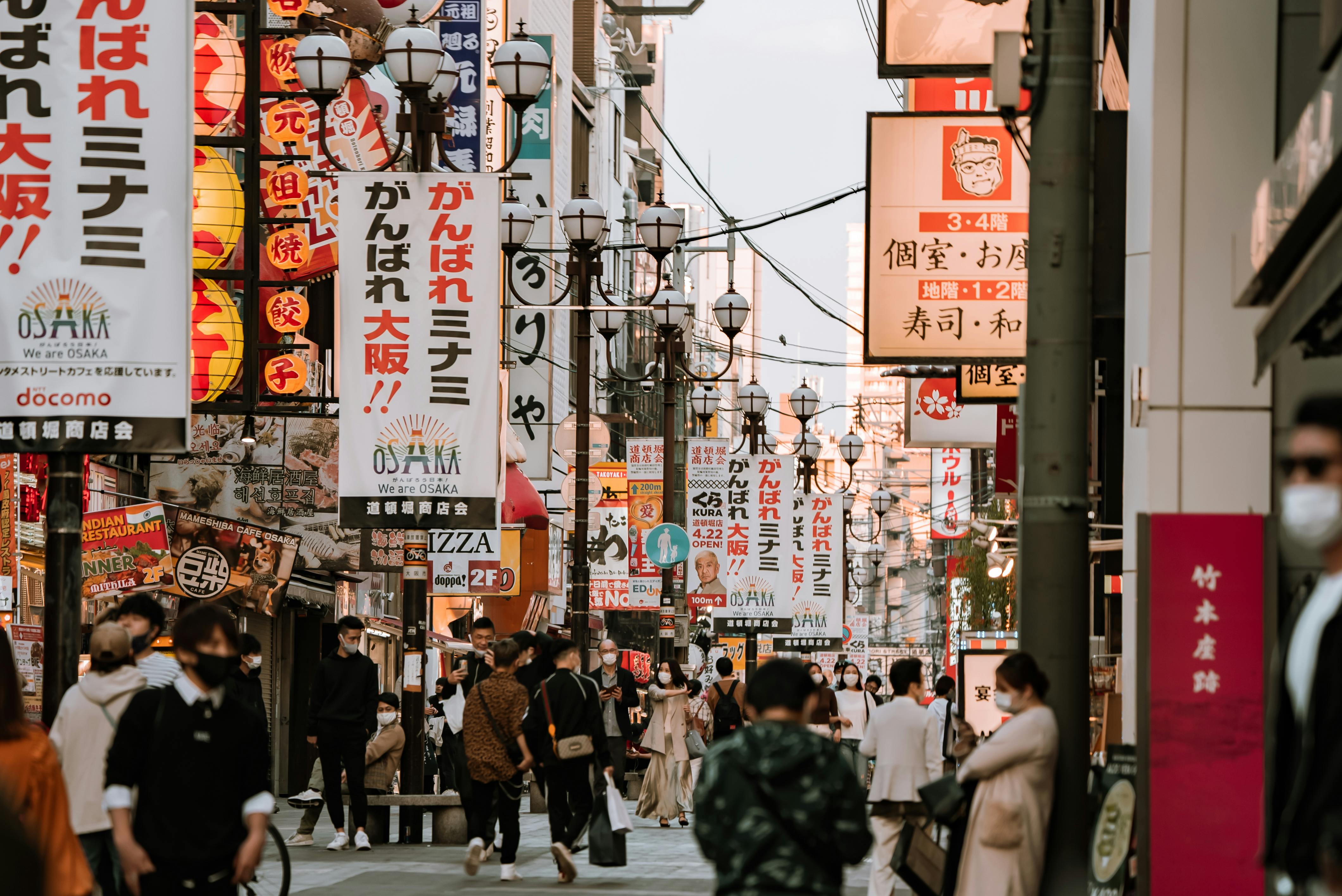
After years of currency fluctuations and recent changes in tourism patterns, many travelers are discovering that Japan offers better value than destinations like Paris, London, or New York. In this comprehensive guide, we'll break down the real costs of visiting Japan across different travel styles, debunk common myths, and help you plan a trip that matches your budget.
Whether you're a backpacker aiming for $50 a day or a luxury traveler ready to splurge, you'll find concrete numbers, practical tips, and realistic expectations for your Japanese adventure.
The Short Answer: How Much Does Japan Really Cost?
Let's cut to the chase with daily budget estimates for 2025:
Travel Style |
Daily Budget (USD) | What You Get |
|---|---|---|
| Budget | $60-90 | Hostels, convenience store meals, local transport, free attractions |
| Mid-Range | $150-250 | Business hotels, casual restaurants, JR Pass, popular attractions |
| Luxury | $400+ | Premium hotels, kaiseki dining, private tours, exclusive experiences |
These figures include accommodation, food, local transportation, and activities—but not international flights or the JR Pass (which we'll discuss separately).
Breaking Down the Major Expenses
Accommodation: Where Your Money Goes First
Budget Options ($20-50/night)
- Hostel dorm beds: $20-35
- Capsule hotels: $25-45
- Budget business hotels (single): $40-60
- Manga cafes (emergency option): $15-25
Mid-Range Options ($80-150/night)
- Business hotels (double): $80-120
- Mid-range city hotels: $100-150
- Traditional ryokan (basic): $120-180 per person with meals
- Airbnb apartments: $70-130
Luxury Options ($250+/night)
- High-end hotels: $250-500
- Premium ryokan with kaiseki: $300-800 per person
- Luxury accommodations in Tokyo/Kyoto: $400-1,000+
Pro tip: Book business hotel chains like Toyoko Inn or APA Hotel for clean, reliable rooms at budget-friendly prices. Many offer free breakfast, saving you $8-12 daily.
Food: Eating Well Without Emptying Your Wallet
Here's where Japan surprises budget travelers—you can eat incredibly well for less than you'd spend in most Western cities.
Budget Eating ($15-30/day)
- Convenience store meals: $3-7
- Ramen or udon shops: $6-10
- Yoshinoya/Sukiya (beef bowl chains): $4-7
- Supermarket sushi/bento: $5-12
- Vending machine drinks: $1-2
Mid-Range Dining ($40-80/day)
- Casual izakaya dinner: $15-30
- Tonkatsu or tempura set: $12-20
- Conveyor belt sushi: $15-35
- Coffee shop breakfast: $8-15
- Department store food halls: $10-25
Splurge Experiences ($100+/meal)
- High-end sushi omakase: $150-400
- Traditional kaiseki: $100-300
- Wagyu beef restaurants: $80-250
- Michelin-starred dining: $200-500+
Money-saving hack: Hit supermarkets after 7 PM for 30-50% discounts on fresh bento boxes and sushi. Department store basements (depachika) offer incredible quality at reasonable prices.
Transportation: Navigating Japan's World-Class System
Local Transportation
- Tokyo Metro day pass: $8
- Single train rides: $2-5
- City buses: $2-3
- Taxis (initial fare): $5-7, then $1-2/km
Inter-City Travel
The big question: Should you buy a JR Pass?
| JR Pass Type | Price | Break-Even Point |
|---|---|---|
| 7-Day Ordinary | $280 | One Tokyo-Kyoto-Tokyo round trip |
| 14-Day Ordinary | $445 | Three inter-city journeys |
| 7-Day Green (First Class) | $375 | For luxury travelers |
Alternative: Regional passes like the JR Kansai Pass ($35 for 1 day) or buying individual tickets for shorter trips can be more economical.
Example costs without JR Pass:
- Tokyo to Kyoto (one-way): $130
- Kyoto to Osaka (one-way): $8
- Tokyo to Hiroshima (one-way): $180
Pro tip: Use overnight buses ($40-80) instead of bullet trains to save on both transport and one night's accommodation.
Activities & Attractions: Free vs Paid Experiences
Free or Low-Cost Activities
- Temple and shrine visits: Free to $5
- Public parks and gardens: Free to $3
- Walking tours of neighborhoods: Free
- Cherry blossom/autumn foliage viewing: Free
- Sensoji Temple, Meiji Shrine, Fushimi Inari: Free
- Many museums: $5-10
Paid Experiences
- Tokyo Skytree: $20-30
- Universal Studios Japan: $65-95
- TeamLab exhibitions: $25-35
- Onsen (hot springs): $8-25
- Sumo tournament tickets: $25-300
Budget-friendly approach: Many of Japan's most memorable experiences—wandering through Kyoto's Gion district, hiking Mount Takao, exploring Nara's deer park—cost absolutely nothing.
Real-World Budget Comparison
10-Day Trip Cost Estimates
Budget Backpacker: $650-900
- Hostels and capsule hotels
- Convenience stores and cheap eats
- 7-day JR Pass
- Free and low-cost activities
- One splurge meal
Comfortable Mid-Range: $1,800-2,500
- Business hotels and occasional ryokan
- Mix of casual and nice restaurants
- 7-day JR Pass
- Popular attractions and experiences
- Several memorable meals
Luxury Traveler: $4,500+
- Premium hotels and luxury ryokan
- Fine dining and kaiseki experiences
- Green Car JR Pass or private transfers
- Exclusive tours and activities
- Shopping budget included
Note: These estimates exclude international flights, which typically range from $600 to $1,500 depending on your departure city and booking timing.
When to Visit for Best Value
Shoulder seasons (March-May, September-November) offer the sweet spot: pleasant weather, fewer crowds, and moderate prices. Avoid Golden Week (late April/early May), Obon (mid-August), and New Year's (late December-early January), when prices spike 30-100%.
Winter (December-February) can be surprisingly affordable, especially outside ski resort areas, with hotel prices dropping 20-40%.
Common Myths vs Reality
Myth: Japan is more expensive than Europe. Reality: Budget travelers can spend less in Japan than in London, Paris, or Rome, especially on food and local transport.
Myth: You need to eat expensive meals to experience Japanese cuisine. Reality: Some of the best food comes from humble ramen shops, standing sushi bars, and local izakayas charging under $20 per person.
Myth: You must stay in expensive hotels. Reality: Japan's budget accommodations (hostels, capsule hotels, and business hotels) are often cleaner and more comfortable than mid-range options elsewhere.
Top Money-Saving Strategies
- Travel during off-peak seasons for 25-50% savings on accommodation
- Use IC cards (Suica/Pasmo) for seamless, slightly discounted transit
- Eat at lunch when restaurants offer set meals at half the dinner price
- Book accommodation in advance through Japanese sites for better rates
- Visit free observation decks at Tokyo Metropolitan Building instead of Tokyo Tower
- Shop at 100-yen stores (Daiso, Seria) for snacks, souvenirs, and essentials
- Download offline maps to avoid expensive data roaming
- Consider regional city bases like Osaka, which is 20-30% cheaper than Tokyo
Planning Your Budget: Action Steps
Before booking your trip:
- Calculate your daily budget using the tables above
- Research accommodation options in your target cities
- Map your route to determine if a JR Pass makes sense
- Allocate splurge experiences (one kaiseki dinner, one luxury ryokan stay)
- Build in a 20% buffer for spontaneous experiences and shopping
- Set up a dedicated travel fund 6-12 months before departure
Internal link opportunities:
- Best Time to Visit Japan for Budget Travelers
- Complete Guide to the JR Pass: Is It Worth It?
- Tokyo vs. Kyoto: Which City Is More Affordable?
- Where to Eat in Tokyo on a Budget
The Bottom Line
Is Japan expensive? It can be—but it doesn't have to be. Japan offers exceptional value across all budget levels when you know where to look. The quality of budget accommodations, the affordability of delicious food, and the efficiency of public transportation mean you can experience an incredible trip without luxury-level spending.
The real question isn't whether Japan is expensive, but rather, what kind of experience do you want, and how can you make it happen within your budget?
Ready to Start Planning Your Japan Adventure?
Stop letting budget fears hold you back from experiencing one of the world's most fascinating destinations. With proper planning and the strategies outlined above, Japan is accessible whether you're spending $60 or $600 per day.
Download our free Japan Budget Planning Spreadsheet to customize these estimates for your trip, track your expenses, and ensure you're getting maximum value from every yen. Start planning your dream Japan trip today—your future self will thank you for the memories (and for staying on budget)!

Post a Comment
0Comments