

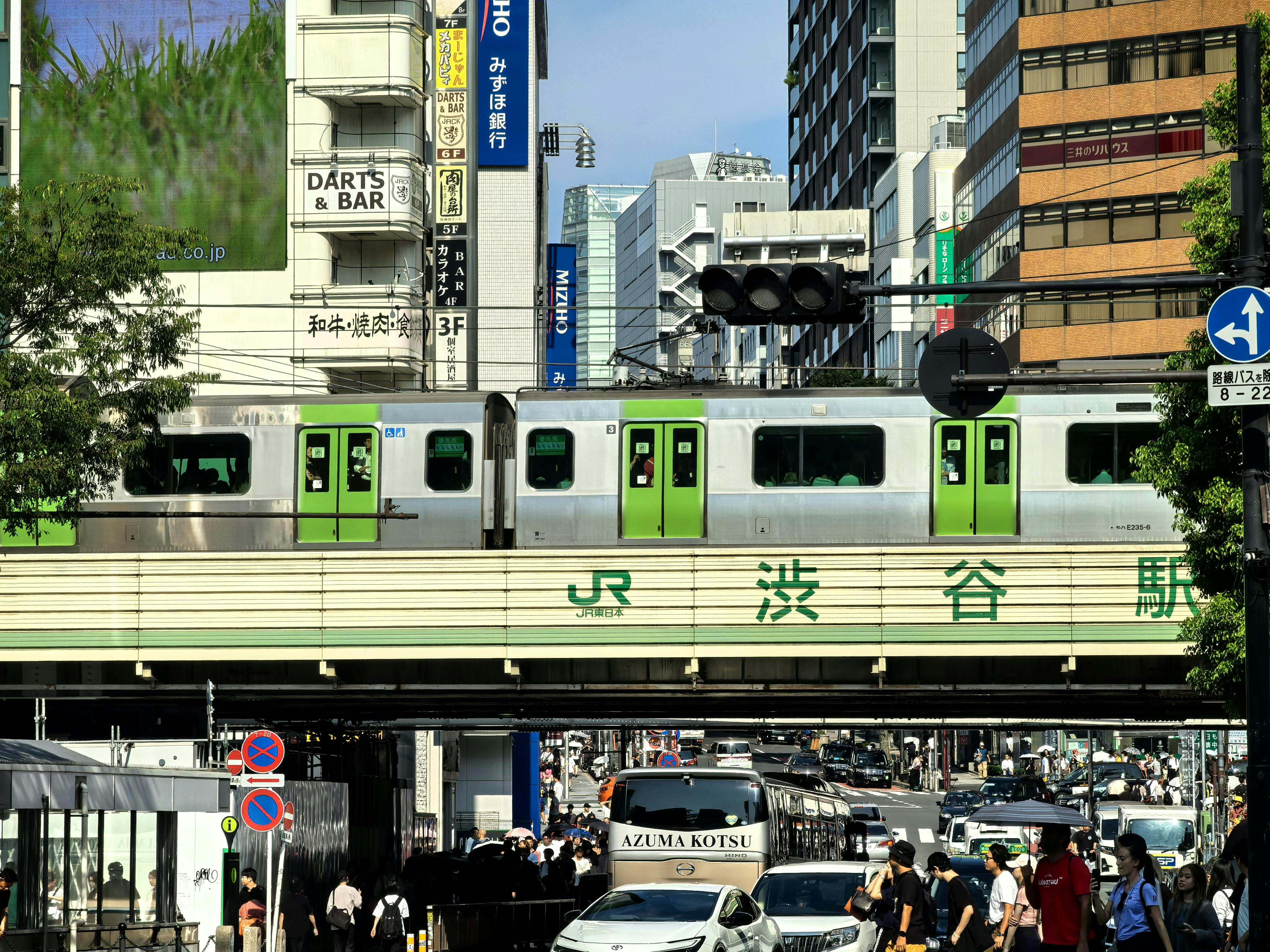
Japan has a reputation for being expensive—and yes, it can be. But it doesn’t have to be. In reality, Japan is one of the most budget-friendly “premium” destinations once you understand how locals actually eat, commute, and move around.
If you’re planning Japan on a budget, this guide breaks down what you’ll realistically spend each day on food and transport, with clear price ranges, honest comparisons, and practical tips that actually work on the ground.
No guesswork. No outdated myths. Just real numbers you can plan around.
What Does “Japan on a Budget” Really Mean?
Budget travel in Japan isn’t about suffering through cup noodles or walking 20 km a day. It’s about choosing efficient options that locals use daily.
Think:
- Convenience store meals that are shockingly good
- Regional rail passes instead of expensive long-distance tickets
- Clean, reliable public transport instead of taxis
- One splurge meal balanced by several smart saves
With the right approach, Japan can feel organized, comfortable, and surprisingly affordable.
Daily Food Costs in Japan (Budget to Luxury)
Food is where Japan quietly wins. You can eat well at almost every price point.
Budget Food Costs (¥1,500–¥2,500 / $10–$17 per day)
Perfect for backpackers, solo travelers, and long stays.
What you’ll eat:
- Convenience store meals (7-Eleven, Lawson, FamilyMart)
- Ramen shops and standing noodle bars
- Supermarket bento boxes (especially after 7 PM)
- Gyudon (beef bowl) chains like Sukiya or Yoshinoya
Typical prices:
Why this works:
Japanese convenience food is fresh, regulated, and made daily. You’re not “settling”—you’re eating like a local student or office worker.
Mid-Range Food Costs (¥3,000–¥5,000 / $20–$34 per day)
Ideal for couples, comfort travelers, or food lovers who want variety.
What you’ll enjoy:
- Casual sit-down restaurants
- Sushi trains (kaitenzushi)
- Local izakayas
- Café breakfasts and dessert stops
Typical prices:
- Lunch set (teishoku): ¥800–¥1,200
- Sushi train meal: ¥1,200–¥2,000
- Izakaya dinner: ¥1,500–¥2,500
This is the sweet spot for most travelers doing Japan on a budget without feeling restricted.
Luxury Food Costs (¥8,000+ / $55+ per day)
Not required daily—but worth planning once or twice.
Examples:
- Wagyu yakiniku
- Omakase sushi
- Kaiseki meals
Pro tip:
Book lunch instead of dinner. The same restaurant often costs 40–60% less at midday. Elevate your Japan trip—book your exclusive dining experience today
Food Cost Comparison Table
| Style | Daily Cost (¥) | Best For |
|---|---|---|
| Budget | 1,500–2,500 | Backpackers, long stays |
| Mid-range | 3,000–5,000 | Most travelers |
| Luxury | 8,000+ | Food-focused splurges |
Daily Transport Costs in Japan
Transport looks intimidating at first, but Japan’s system is logical once you get the hang of it.
City Transport (¥600–¥1,200 / $4–$8 per day)
Most travelers underestimate how walkable Japanese cities are.
Typical daily costs:
- Metro/train ride: ¥170–¥300
- Day pass (some cities): ¥600–¥800
- IC cards (Suica, Pasmo, ICOCA): Pay-as-you-go convenience
Budget tip:
Avoid buying single tickets every time. Use an IC card and walk between nearby neighborhoods.
Intercity Travel Costs (Smart vs Expensive)
This is where budgets can break—or stay intact.
Bullet Train (Shinkansen)
- Tokyo → Kyoto: ~¥14,000 one way
- Fast, clean, but costly
Budget-Friendly Alternatives
- Regional JR Passes (far cheaper than national JR Pass)
- Highway buses: ¥3,000–¥6,000 for long routes
- Local trains: Slower, scenic, cheaper
Transport Cost Comparison
| Transport Type | Cost | Best Use |
|---|---|---|
| Local trains | Low | Daily city travel |
| Highway buses | Low–Mid | Long-distance on a budget |
| Shinkansen | High | Time-sensitive trips |
| Taxis | Very High | Late night only |
Sample Daily Budget: Japan on a Budget
Here’s what a realistic day looks like for a budget-conscious traveler.
Food
- Breakfast (convenience store): ¥300
- Lunch (local eatery): ¥900
- Dinner (ramen or bento): ¥1,200
- Total food: ¥2,400
Transport
- Metro/train rides: ¥800
Daily Total:
👉 ~¥3,200 ($22–$24)
That’s comfortable, filling, and efficient—without cutting corners.
Smart Tips to Save More (Without Feeling Cheap)
1. Eat Where Office Workers Eat
Busy lunch spots mean fast turnover, fresh food, and fair prices.
2. Shop After 7 PM
Supermarkets discount bentos aggressively at night.
3. Walk Short Distances
Japanese neighborhoods are dense. Two train stops often equal a pleasant 15-minute walk.
4. Skip the National JR Pass
It’s rarely worth it anymore. Regional passes offer far better value.
5. Balance Splurges
One memorable meal beats three forgettable expensive ones.
Budget vs Mid-Range vs Luxury: What You Really Gain
| Category | Budget | Mid-Range | Luxury |
|---|---|---|---|
| Food | Filling, local | Variety, comfort | Experience-driven |
| Transport | Efficient | Flexible | Time-saving |
| Experience | Authentic | Balanced | Premium |
Japan rewards smart choices, not big spending.
Suggestions for Links to Related Articles:
- How to Use Japan’s IC Cards Like a Local
- Best Budget Hotels in Tokyo for First-Time Visitors
- Japan Travel Mistakes That Cost Tourists Money
- Is the JR Pass Still Worth It in 2026?
Final Thoughts: Japan on a Budget Is Completely Real
Japan doesn’t demand luxury spending—it rewards awareness.
When you understand daily food prices, transport options, and local habits, Japan becomes one of the easiest countries in the world to travel comfortably on a budget.
You’ll eat well. You’ll move efficiently. And you’ll spend far less than most first-time visitors expect.
Ready to Plan Smarter?
If you’re serious about doing Japan on a budget, start by mapping your cities, choosing the right transport passes, and planning meals with intention—not fear.
Save this guide, share it with your travel buddy, and use it as your baseline.
Japan doesn’t have to be expensive—you just need to know how it works.

Post a Comment
0Comments